Profile · October–November
From Guest Book to Historic Home
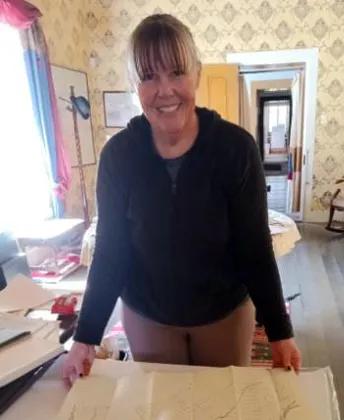
An art show signature launched Machelle Wood into a decade of restoring landmarks — and eventually led her back to the people who built them.
CityBeat
Profile · October–November
An art show signature launched Machelle Wood into a decade of restoring landmarks — and eventually led her back to the people who built them.
culture
An art show signature launched Machelle Wood into a decade of restoring landmarks — and eventually led her back to the people who built them.

culture
Bad Bunny's Puerto Rico residency generated nearly $200 million in economic impact, sparking a trend among major Latin artists.

culture
El Paso Pro-Musica presents a world premiere of a commissioned America 250 project Thursday, while the Mission Trail Music Festival debuts Saturday with live performances across nine historic miles.

culture
The El Paso Film Festival runs Sept. 24–26 at the Plaza Theater, featuring independent films and workshops with Academy Award-nominated editors and filmmakers.

culture
Yolanda D. Hoffmeister, a New York native now living in El Paso, has donated hundreds of art pieces to first responders and nonprofits since 2001.

culture
A 10-year-old El Paso Girl Scout stars in a nationwide documentary about cookie sales, released in August.

culture
The Mexican singer-songwriter, who spent formative years in Ciudad Juárez near El Paso, composed over 1,800 songs that became standards for artists worldwide.

culture
The El Paso Museum of Art has been named one of the top five art museums in Texas by Glasstire.
culture
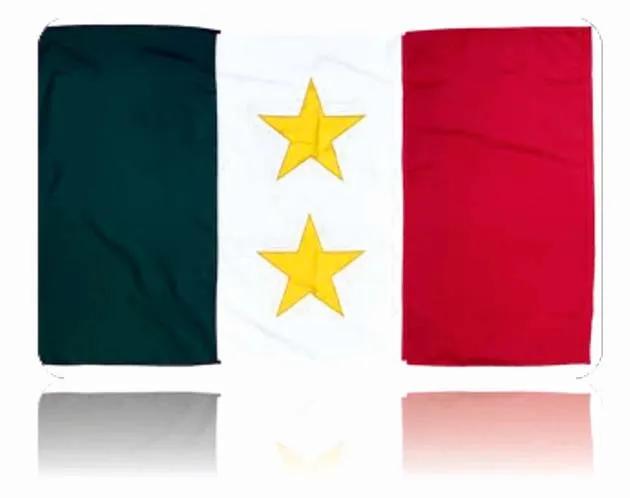
Texas is famous for flying flags. We fly them at courthouses, schools, ranch gates, football stadiums, and occasionally on pickup trucks large enough to have their own ZIP code. But the six flags flying in front of the San Jacinto Monument are a little different. These aren't the traditional Six Flags of Texas. Instead, they represent the key sites and events from the Texas Revolution, the places where Texas independence was debated, fought for, and ultimately won. The victory at San Jacinto may have lasted only about eighteen minutes, but the road leading to it took months of political arguments, military campaigns, sacrifices, and enough determination to fuel a cattle drive from the Gulf Coast to the Panhandle. After all, Texas didn’t win its freedom in a single afternoon at San Jacinto, even if Texans sometimes like to tell the story that way. The victory on April 21, 1836, was the grand finale. Before that came political meetings, heated arguments, desperate battles, and enough determination to fill every pickup truck in the state. Without the spark at Gonzales, would the Revolution have begun when it did? Without the tragedies at the Alamo and Goliad, would so many men have joined Sam Houston's army? And without the meetings at San Felipe de Austin and Washington-on-the-Brazos, Texas might have looked less like a new republic and more like a very large disagreement with the neighbors. Some of these flags are instantly recognizable to Texans. Others are so obscure that even lifelong Texans may look at them and say, Some of these flags will be familiar to most Texans. Others are obscure enough that even lifelong residents may scratch their heads and say, “Well, I’ll be darned, that's one they forgot to teach us between the Alamo and state history tests.” Yet every one of them played a role in the birth of Texas.
culture
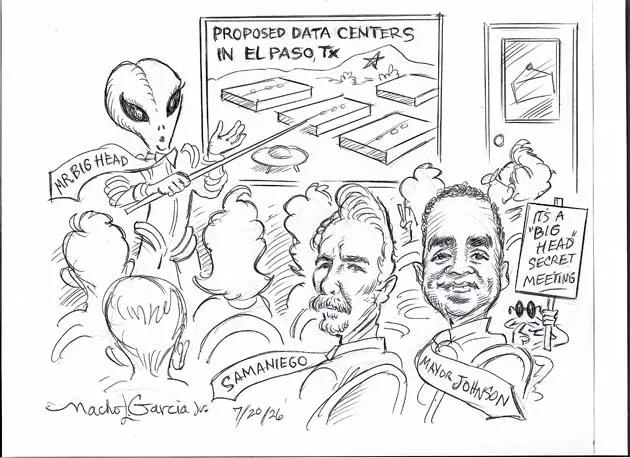
Mr. Big Head
culture
By. Caleb Lara In the soil of El Paso lie stories that have not yet been fully told. Some are etched in archives, others preserved in memory, and many, far to

culture
Teenagers who completed a two-week music camp will perform Friday night at the Boys and Girls Clubs of El Paso.

culture
Boys' Love stories, which originated in Japanese manga in the 1960s and 70s, have expanded worldwide into anime, streaming series, and webtoons.
culture
The City of El Paso unveiled its 100th public art project Wednesday with a mural at Marty Robbins Recreation Center.

culture
El Paso has always been a city of builders. Long before modern development, Indigenous communities engineered trade networks across the desert. Spanish settlers constructed missions and irrigation systems that still define the region. Mexican...
culture
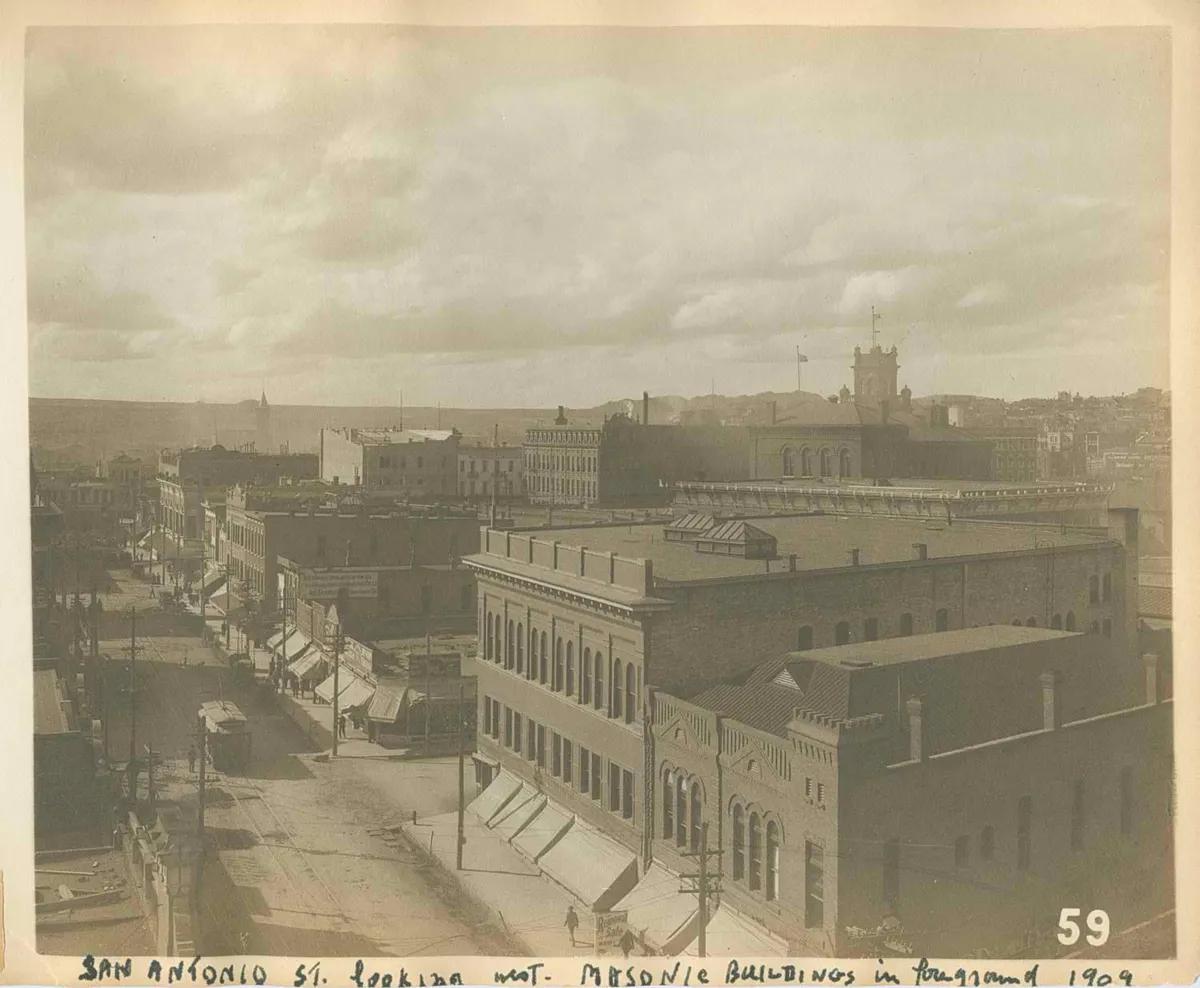
When seven weary horsemen crested the edge of the Rio Grande valley in 1852, there was little more than dust, mesquite and danger. The men, led by Joel L. Ankrim, carried a Masonic charter...
culture
Leon Claire Metz was more than a historian—he was the keeper of El Paso's memory. For decades, he documented the people, places, and events that shaped the Borderlands, giving voice to stories that might...
culture
El Paso’s own renowned artist, Gaspar Enriquez, has created art all his life. We were honored to have visited with him to learn about his life, his passion, and talk about the recent opening...
culture
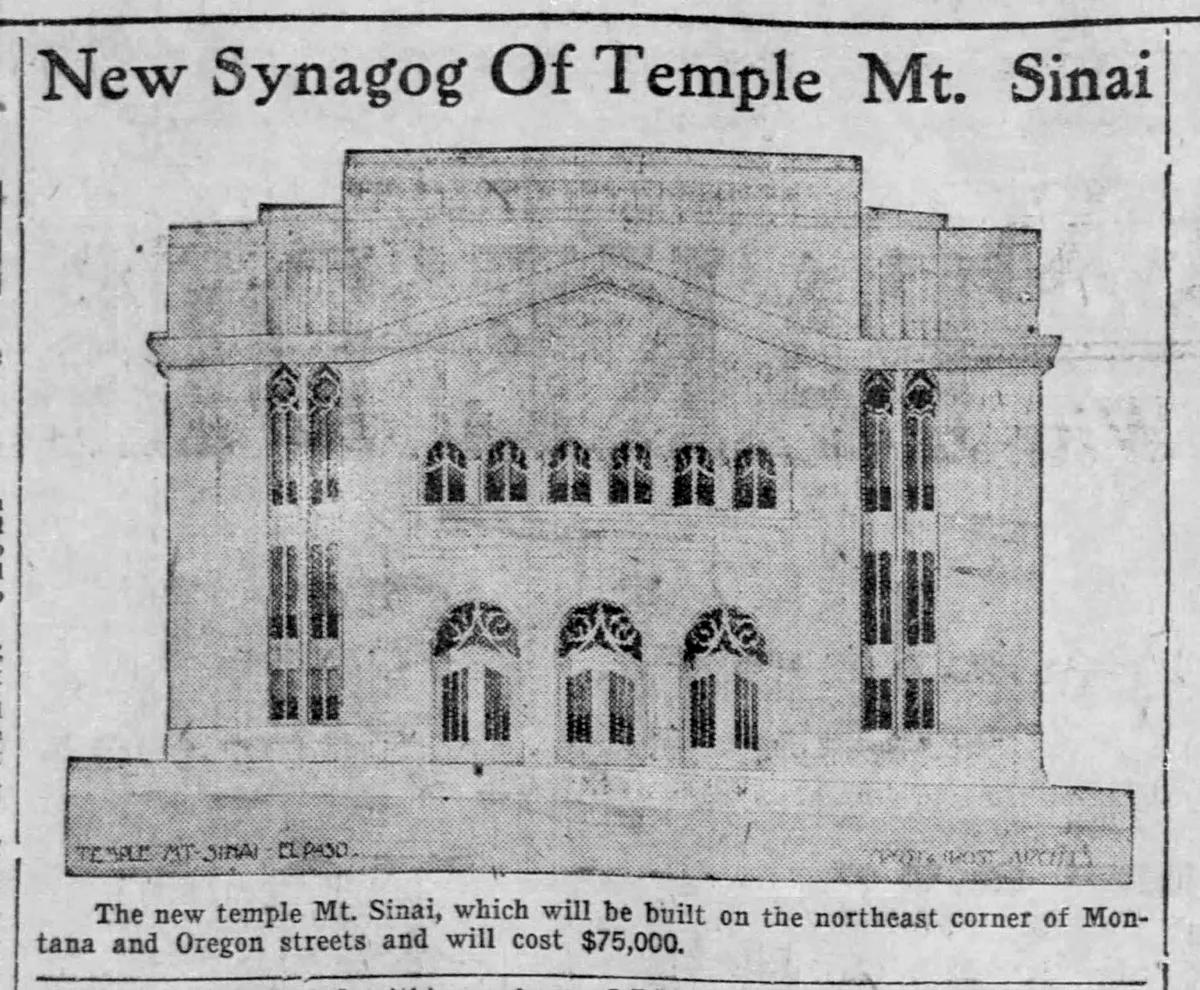
As days and weeks continue to pass since the horrific day of infamy which took place on October 7th when a sworn enemy of Israel and the Jewish people namely the terrorist group Hamas...

culture
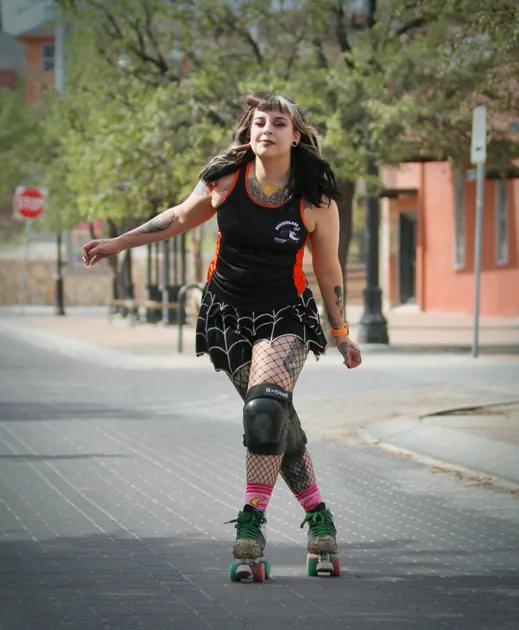
When she’s not busy as a clinical assistant for the El Paso Health Department, working with El Paso’s HIV prevention program, Kristy Young, aka ‘Atomic Blossom’, spends numerous hours doing what she loves doing...
culture
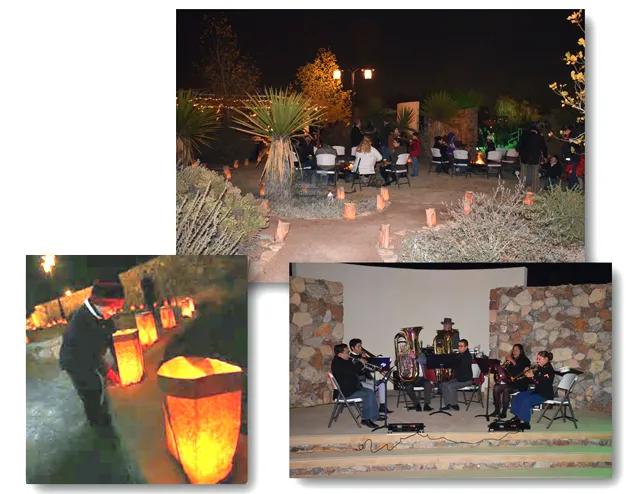
El Paso is full of many under-explored sites, Keystone Heritage Park located at 4220 Doniphan is one of them. The botanical garden and archaic wetlands, sits amid a 52-acre archeological site in El Paso’s...
culture
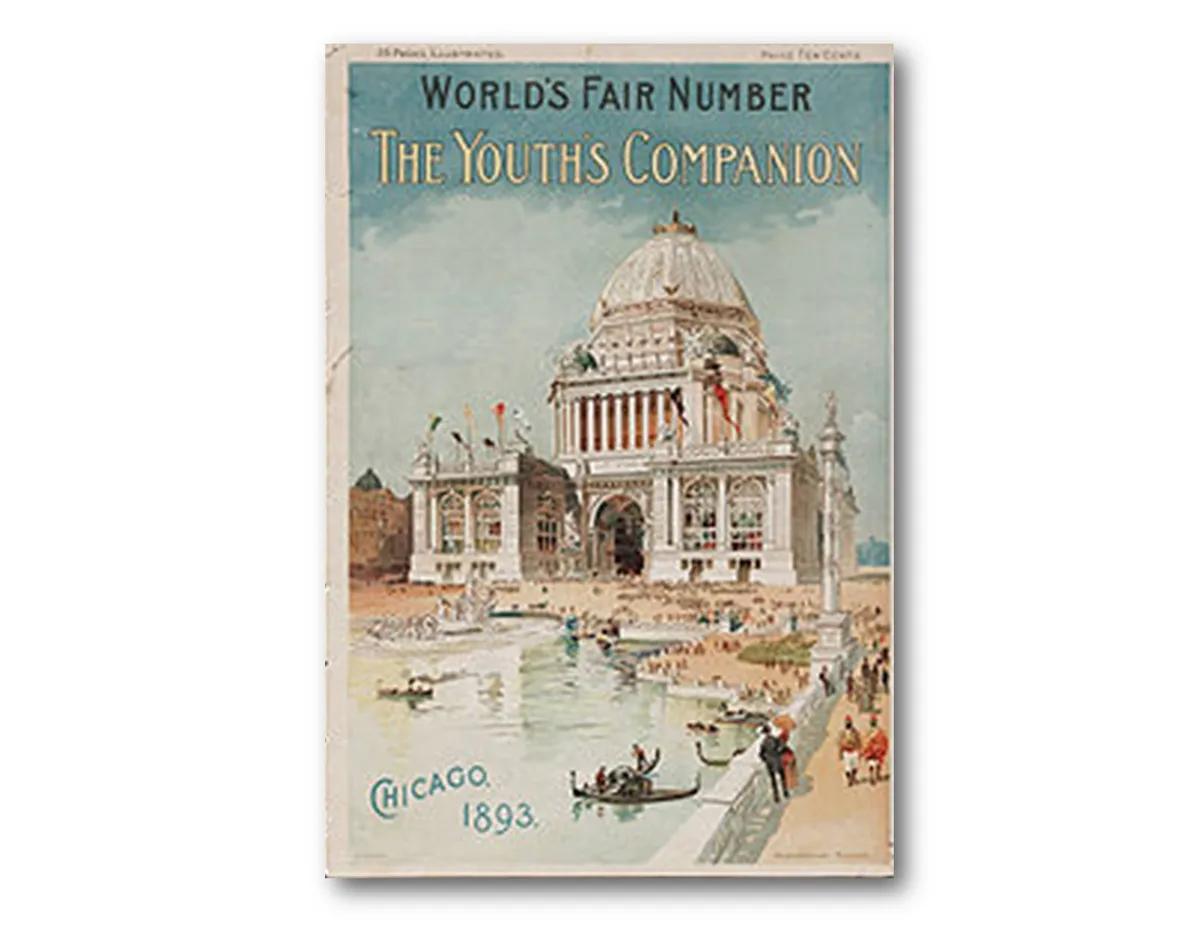
Let me share a little of this great history with you. Let’s start with the Pledge of Allegiance. A Civil War veteran named Captain George T. Balch wrote the first version in 1885 which...
culture
El Paso’s own renowned artist, Gaspar Enriquez, has created art all his life. We were honored to have visited with him to learn about his life, his passion, and talk about the recent opening...